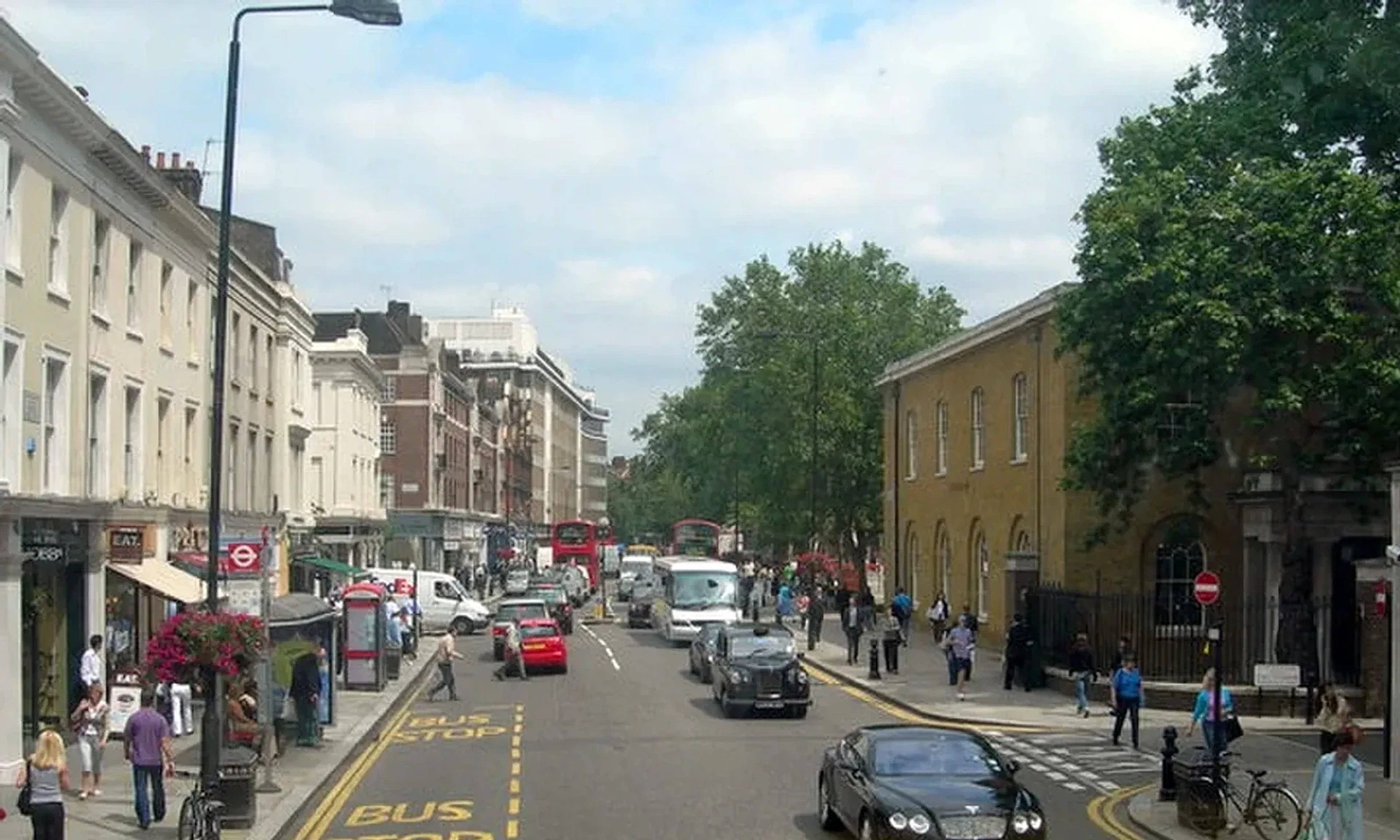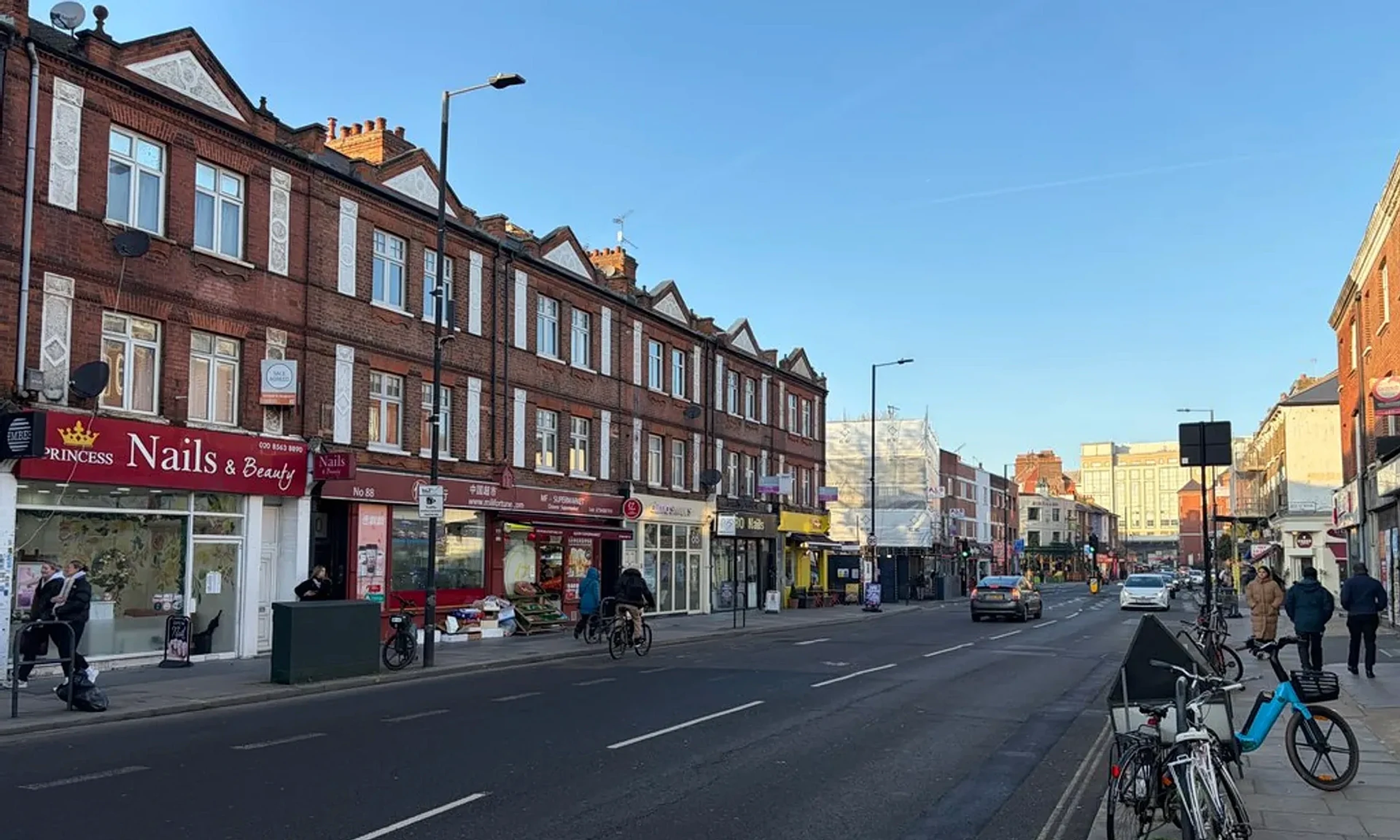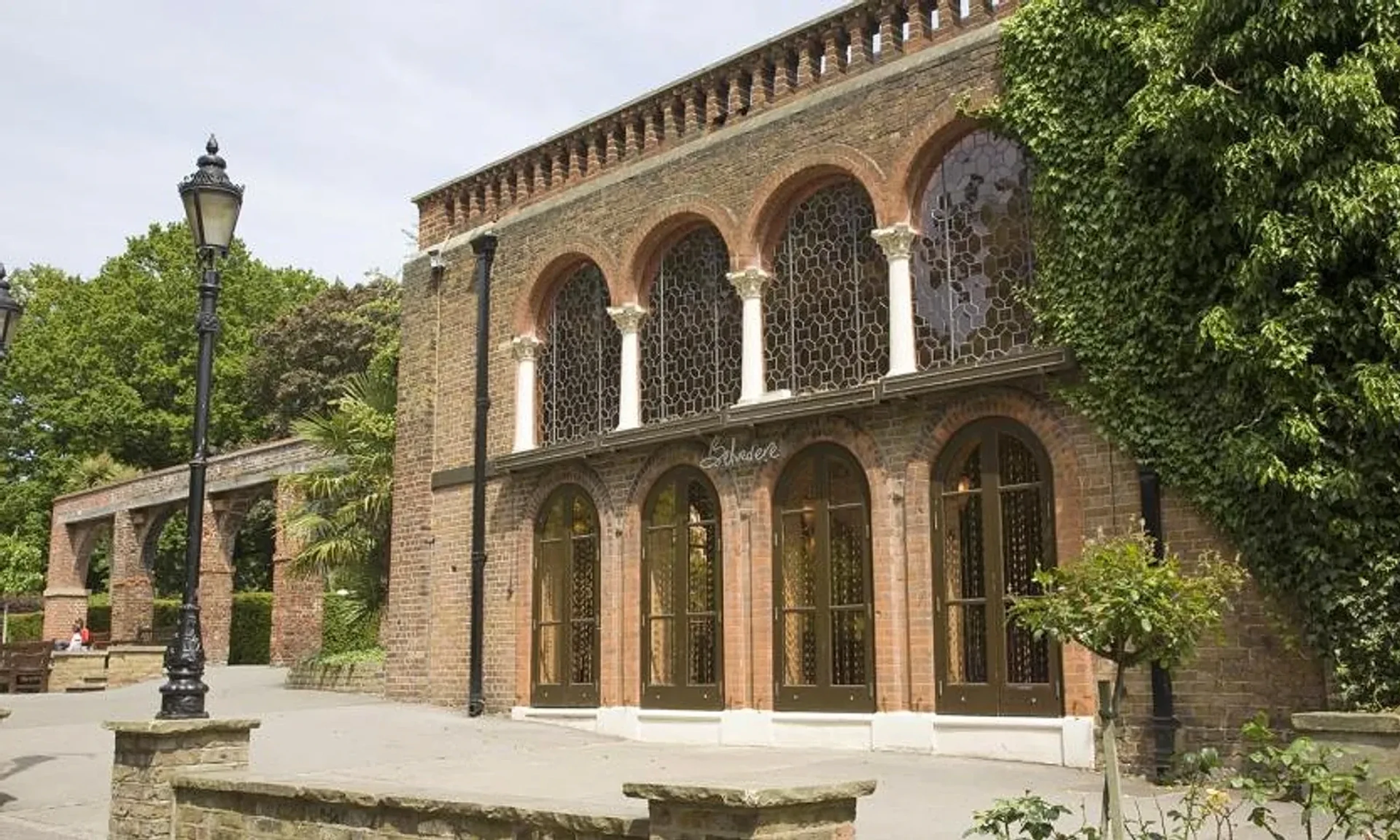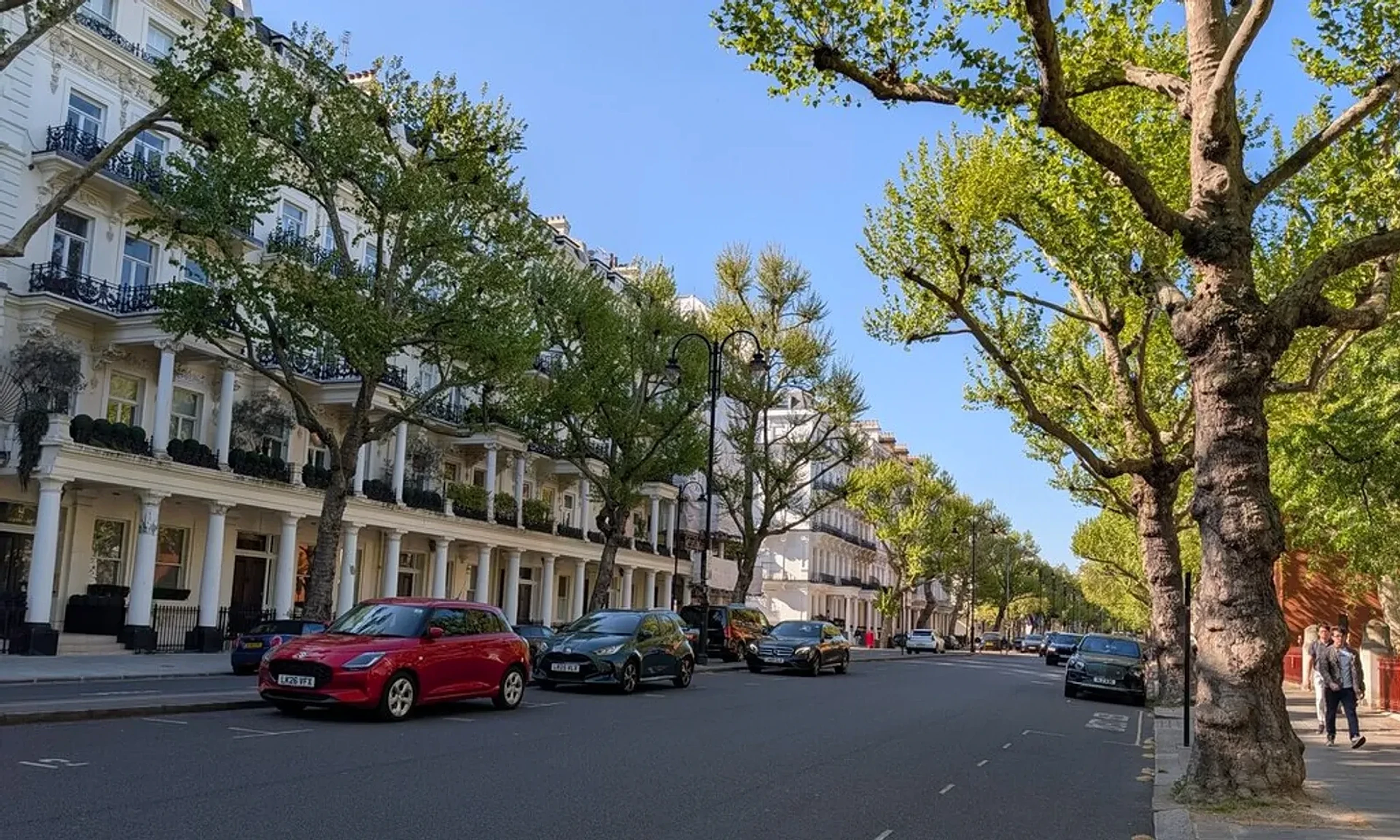
Air conditioning in South Kensington has to be planned around the district instead of selected from a catalogue; architecturally sensitive residential streets combined with major cultural, educational and hospitality uses means two nearby addresses can demand completely distinct answers: a quiet bedroom may need a discreet single-room system, while museums, educational buildings, hotels, clinics, offices, restaurants and specialist retail may need several independently controlled zones; UK Aircon Installations begins with the rooms, occupation pattern and building restrictions, then develops an installation route that fits the property.
Tell us about your South Kensington property
Share the rooms involved, the problem you want to solve and any access or building-management requirements you already know about.
Understanding cooling requirements across South Kensington
South Kensington’s combination of white-stucco terraces, mansion flats, embassies, mews houses, conversions and contemporary apartments creates a wide spread of cooling needs; a rear bedroom in a period conversion behaves differently from a glazed living area in a managed block, even when both properties share the same postcode.
Within South Kensington’s building mix, for local organisations—from museums, educational buildings, hotels, clinics, offices, restaurants and specialist retail—comfort can affect customers, staff concentration, equipment and the realistic use of internal rooms; commercial design therefore starts with times of operation and occupancy instead of copying a domestic layout.
For South Kensington museums, a local assessment must anticipate listed buildings, protected façades, conservation areas, institutional approvals and limited outdoor-unit positions; these are design inputs instead of details to postpone until installation day; resolving them early reduces the risk of proposing equipment that works on paper but cannot be approved, reached or maintained at the address.
When a South Kensington air conditioner no longer performs
During South Kensington work near Old Brompton Road, useful fault information includes the affected unit, error code, when the problem began, whether cooling or heating still operates, any water or unusual sound, and recent electrical or building work; access conditions such as high pedestrian activity, controlled loading, underground or basement plant locations and building-management procedures can also determine how a visit is arranged.
Loss of cooling
For South Kensington buildings, possible causes range from settings, dirty filters and airflow restrictions to sensor, fan, control or refrigerant-circuit faults; diagnosis must follow evidence; replacing parts or adding refrigerant without establishing the cause can waste time and obscure the actual problem; around Old Brompton Road, Gloucester Road, Exhibition Road, Queen’s Gate and the streets around South Kensington station, the design also has to respond to architecturally sensitive residential streets combined with major cultural, educational and hospitality uses.
Water from an indoor unit
On South Kensington sites affected by high pedestrian activity, switch equipment off if water threatens electrics or finishes; blocked drains, failed pumps, poor falls, frozen coils and installation defects are among the possibilities; the whole route needs inspection instead of assuming every leak has one cause; this is not an abstract point in South Kensington; museums, educational buildings, hotels, clinics, offices, restaurants and specialist retail can directly affect the project.
Noise, vibration or smell
Around Old Brompton Road in South Kensington, a changed sound may point to debris, loose components, fan wear or mounting issues; odours can relate to contamination, stagnant water or the surrounding environment; burning smells, smoke or electrical overheating call for prompt isolation and professional attention; a workable answer for South Kensington must take high pedestrian activity, controlled loading, underground or basement plant locations and building-management procedures into account.
Repair or replace?
Around Old Brompton Road in South Kensington, age, condition, parts availability, efficiency, refrigerant type, repair cost, suitability and future needs all influence the decision; replacement can also correct an awkward plant position, poor drainage route or equipment that never suited the space; local planning becomes more precise once the following is taken into account: listed buildings, protected façades, conservation areas, institutional approvals and limited outdoor-unit positions.
Commercial air conditioning shaped around South Kensington
South Kensington’s commercial mix includes museums, educational buildings, hotels, clinics, offices, restaurants and specialist retail; a useful proposal records hours of operation, occupancy changes, equipment loads and any rooms that need cooling while the main premises is closed.
Clinics and professional premises
In South Kensington, quiet operation, predictable temperatures and appointment schedules can sometimes be more significant than rapid pull-down; installation may need to avoid occupied treatment or consulting rooms; this is not an abstract point in South Kensington; museums, educational buildings, hotels, clinics, offices, restaurants and specialist retail can directly affect the project.
Education and community buildings
At a South Kensington property, room timetables, safeguarding, exams and holiday access shape both design and programme; systems ought to be understandable to multiple authorised users; around Old Brompton Road, Gloucester Road, Exhibition Road, Queen’s Gate and the streets around South Kensington station, the design also has to respond to architecturally sensitive residential streets combined with major cultural, educational and hospitality uses.
Technical and equipment rooms
For South Kensington museums, heat may continue outside normal occupied hours; duty, alarms, redundancy and maintenance access ought to be considered according to the consequence of overheating; local planning becomes more precise once the following is taken into account: listed buildings, protected façades, conservation areas, institutional approvals and limited outdoor-unit positions.
Retail and hospitality
Within South Kensington’s building mix, entrance doors, changing footfall, lighting and long hours can create uneven loads; customer areas and back-of-house rooms usually benefit from separate control; a workable answer for South Kensington must take high pedestrian activity, controlled loading, underground or basement plant locations and building-management procedures into account.
Offices and studios
For South Kensington buildings, meeting rooms, dense desks, AV equipment and internal spaces may overheat at distinct times; controls must support real working patterns and avoid simultaneous heating and cooling; South Kensington adds a further consideration: museums, educational buildings, hotels, clinics, offices, restaurants and specialist retail.
What determines the price of a South Kensington installation?
During South Kensington work near Old Brompton Road, a dependable quotation follows a site assessment because the visible internal unit represents only one part of the work; around Old Brompton Road, Gloucester Road, Exhibition Road, Queen’s Gate and the streets around South Kensington station, two superficially similar rooms can have very distinct pipe routes, access conditions and approval requirements.
- Making good and coordination with other trades — access consideration to define for the South Kensington address.
- The number of independently controlled rooms — installation variable to define for the South Kensington address.
- The calculated cooling and heating loads — quotation detail to define for the South Kensington address.
- Indoor-unit style and control requirements — scope item to define for the South Kensington address.
- Pipework length and the difficulty of concealment — design allowance to define for the South Kensington address.
- Gravity drainage versus condensate pumps — access consideration to define for the South Kensington address.
- Outdoor-unit location, supports and lifting needs — installation variable to define for the South Kensington address.
- Electrical work and isolators — quotation detail to define for the South Kensington address.
- Access, parking, loading and working-hour limits — scope item to define for the South Kensington address.
- Landlord, managing-agent or planning documentation — design allowance to define for the South Kensington address.
At a South Kensington property, the proposal must say what is included, expose its assumptions and separate optional work; decoration, builders’ work, lifting equipment, permits and third-party fees must not be hidden inside an ambiguous total; UK Aircon Installations can only fix the scope once enough information about the property has been verified.
Operating air conditioning efficiently in South Kensington
In South Kensington, shading, blinds, glazing improvements, roof insulation and lower internal heat can reduce the cooling load; these measures do not replace cooling where it is genuinely needed, but they may shorten run time or support a more focused system; commercial premises must also review lighting, kitchen extract, server heat and door-opening patterns; a workable answer for South Kensington must take high pedestrian activity, controlled loading, underground or basement plant locations and building-management procedures into account.
In South Kensington, when equipment provides heating as well as cooling, users need to understand mode selection and stop separate units from fighting each other; a thorough handover is particularly significant for museums, educational buildings, hotels, clinics, offices, restaurants and specialist retail, where several people may have access to controls; local planning becomes more precise once the following is taken into account: listed buildings, protected façades, conservation areas, institutional approvals and limited outdoor-unit positions.
At a South Kensington property, correct sizing and zoning establish the foundation, but daily operation still matters; close windows while cooling, avoid extreme setpoints, use schedules that match occupation and keep filters clean; where white-stucco terraces, mansion flats, embassies, mews houses, conversions and contemporary apartments have several exposures or floor levels, independent zones prevent one hot room from dictating settings everywhere else; around Old Brompton Road, Gloucester Road, Exhibition Road, Queen’s Gate and the streets around South Kensington station, the design also has to respond to architecturally sensitive residential streets combined with major cultural, educational and hospitality uses.
Design details that matter at a South Kensington address
Around Old Brompton Road in South Kensington, sensitive buildings reward restraint; the best installation is commonly the one that solves the comfort problem without competing with the architecture; this is particularly relevant around Old Brompton Road, Gloucester Road, Exhibition Road, Queen’s Gate and the streets around South Kensington station.
Future access
On South Kensington sites affected by high pedestrian activity, filters, coils, drains, pumps, controls and external equipment all need to remain serviceable; concealment that prevents maintenance is not a successful design; around Old Brompton Road, Gloucester Road, Exhibition Road, Queen’s Gate and the streets around South Kensington station, the design also has to respond to architecturally sensitive residential streets combined with major cultural, educational and hospitality uses.
Façades and visible equipment
For South Kensington buildings, where external changes are sensitive, alternative elevations, roofs, courtyards, balconies or internal plant strategies may need comparison; nothing ought to be promised until ownership and planning constraints are understood; this is not an abstract point in South Kensington; museums, educational buildings, hotels, clinics, offices, restaurants and specialist retail can directly affect the project.
Leasehold and managed buildings
During South Kensington work near Old Brompton Road, a flat owner’s permission to alter the interior does not necessarily include the façade, roof or common parts; drawings, equipment details, acoustic information and method statements might be requested by the freeholder or managing agent; a workable answer for South Kensington must take high pedestrian activity, controlled loading, underground or basement plant locations and building-management procedures into account.
Noise and neighbours
For South Kensington museums, outdoor-unit selection is only one part of acoustic planning; position, mounting, reflected sound, operating pattern and proximity to windows can all change the result; local planning becomes more precise once the following is taken into account: listed buildings, protected façades, conservation areas, institutional approvals and limited outdoor-unit positions.
Condensate water
Within South Kensington’s building mix, cooling removes moisture from indoor air; the drainage route must be reliable, accessible and protected against leaks; a pump is useful where gravity drainage is impossible but ought not to be treated as maintenance-free; at a South Kensington address, architecturally sensitive residential streets combined with major cultural, educational and hospitality uses can change the preferred approach.
Electrical supply
In South Kensington, the property review must verify isolators, circuit capacity, cable route and responsibility for any electrical work; commercial projects may also demand coordination with distribution boards and landlord systems; South Kensington adds a further consideration: museums, educational buildings, hotels, clinics, offices, restaurants and specialist retail.
How each room changes the South Kensington cooling brief
A room-by-room brief keeps the South Kensington project tied to real use; the same temperature can feel distinct in a quiet bedroom, a sunlit living room and a busy workplace, so the design ought not to treat them as interchangeable zones.
Shops, studios and meeting rooms
Within South Kensington’s building mix, occupancy and electrical equipment can change quickly through the day; independent control lets the operator condition the active zone without wasting energy on closed or lightly occupied rooms; a workable answer for South Kensington must take high pedestrian activity, controlled loading, underground or basement plant locations and building-management procedures into account.
Bedrooms
For South Kensington museums, night-time comfort favours low sound, gentle air movement and stable control at modest load; the indoor position ought not to direct cold air across the bed, while indicator lights and condensate pumps need consideration for light and noise-sensitive sleepers; local planning becomes more precise once the following is taken into account: listed buildings, protected façades, conservation areas, institutional approvals and limited outdoor-unit positions.
Living rooms and open-plan spaces
During South Kensington work near Old Brompton Road, glazing, cooking, roof exposure and several connected zones can create uneven heat gain; the property review must pinpoint where people actually sit and whether one internal unit can distribute air without being blocked by beams, doors or tall furniture; around Old Brompton Road, Gloucester Road, Exhibition Road, Queen’s Gate and the streets around South Kensington station, the design also has to respond to architecturally sensitive residential streets combined with major cultural, educational and hospitality uses.
Kitchens and dining areas
For South Kensington buildings, cooking heat and extract alter the load, but a room unit ought not to be placed where grease or steam will contaminate it quickly; in open-plan layouts, the design must cool the occupied area without fighting strong extract airflow; this is not an abstract point in South Kensington; museums, educational buildings, hotels, clinics, offices, restaurants and specialist retail can directly affect the project.
Lofts and top-floor rooms
On South Kensington sites affected by high pedestrian activity, roof exposure can make these spaces heat up quickly and remain warm after sunset; capacity, insulation and glazing matter, while short roof routes must still preserve drainage, weatherproofing and future access; the realistic response in South Kensington will vary because of high pedestrian activity, controlled loading, underground or basement plant locations and building-management procedures.
Basements and internal rooms
Around Old Brompton Road in South Kensington, these rooms may feel stuffy because of low air movement or equipment heat instead of direct sun; cooling can control temperature, but it is not a substitute for any ventilation that the use or building calls for; that choice ought to be tested against listed buildings, protected façades, conservation areas, institutional approvals and limited outdoor-unit positions, which is common across South Kensington.
Realistic air conditioning scenarios in South Kensington
A converted flat with no obvious plant space
At a South Kensington property, lease terms, freeholder consent, shared roofs and façade restrictions may determine whether a conventional split system is possible; the proposal must pinpoint permissions and maintenance access instead of hiding them in small print; local planning becomes more precise once the following is taken into account: listed buildings, protected façades, conservation areas, institutional approvals and limited outdoor-unit positions.
A multi-room family home
In South Kensington, separate zones can cool occupied bedrooms and living spaces without running every internal unit together; the property review must compare one multi-split arrangement with independent systems, considering pipe routes, resilience and future servicing; a workable answer for South Kensington must take high pedestrian activity, controlled loading, underground or basement plant locations and building-management procedures into account.
A customer-facing local business
Within South Kensington’s building mix, cooling must reflect footfall, doors opening, lighting and trading hours; in South Kensington, delivery access and the least disruptive working window can sometimes be as significant as capacity; this is not an abstract point in South Kensington; museums, educational buildings, hotels, clinics, offices, restaurants and specialist retail can directly affect the project.
An office or studio with internal heat gains
For South Kensington museums, computers, meeting-room use and dense occupation can make an apparently modest room uncomfortable; zoning and control strategy must prevent one warm area from forcing excessive cooling elsewhere; around Old Brompton Road, Gloucester Road, Exhibition Road, Queen’s Gate and the streets around South Kensington station, the design also has to respond to architecturally sensitive residential streets combined with major cultural, educational and hospitality uses.
An existing system that no longer performs
For South Kensington museums, before replacement is proposed, the condition of filters, coils, drains, controls, refrigerant circuit and condenser unit ought to be assessed; a repair may restore performance; where replacement is more sensible, the reasons ought to be explicit; that choice ought to be tested against listed buildings, protected façades, conservation areas, institutional approvals and limited outdoor-unit positions, which is common across South Kensington.
A main bedroom that overheats after afternoon sun
Within South Kensington’s building mix, a quiet wall-mounted or concealed solution can focus on night-time comfort, low fan noise and a sensible condensate route; in South Kensington, the available external position and the relationship with neighbouring windows ought to be checked before the unit location is agreed; the realistic response in South Kensington will vary because of high pedestrian activity, controlled loading, underground or basement plant locations and building-management procedures.
The site assessment behind a reliable South Kensington installation
At addresses around Old Brompton Road, Gloucester Road, Exhibition Road, Queen’s Gate and the streets around South Kensington station, assumptions based only on photographs can become expensive; the site visit has to connect the comfort requirement with a route that can actually be installed.
1. Map indoor positions
During South Kensington work near Old Brompton Road, choose locations that distribute air effectively without creating an uncomfortable draught over beds, desks, dining tables or customer seating; local planning becomes more precise once the following is taken into account: listed buildings, protected façades, conservation areas, institutional approvals and limited outdoor-unit positions.
2. Prove the service route
Around Old Brompton Road in South Kensington, plan refrigerant pipework, cables and condensate drainage from end to end, including falls, pumps where needed, penetrations and finishes; a workable answer for South Kensington must take high pedestrian activity, controlled loading, underground or basement plant locations and building-management procedures into account.
3. Confirm outdoor feasibility
On South Kensington sites affected by high pedestrian activity, check airflow, noise, structural support, visual effect, safe access and the relationship with nearby windows, boundaries and public areas; this is not an abstract point in South Kensington; museums, educational buildings, hotels, clinics, offices, restaurants and specialist retail can directly affect the project.
4. Identify approvals
In South Kensington, establish whether the owner, freeholder, managing agent, landlord or planning authority needs to approve the work before dates are committed; around Old Brompton Road, Gloucester Road, Exhibition Road, Queen’s Gate and the streets around South Kensington station, the design also has to respond to architecturally sensitive residential streets combined with major cultural, educational and hospitality uses.
5. Plan installation and aftercare
At a South Kensington property, set expectations for access, protection, commissioning, handover, cleaning and future service visits; that choice ought to be tested against listed buildings, protected façades, conservation areas, institutional approvals and limited outdoor-unit positions, which is common across South Kensington.
6. Clarify the result
For South Kensington museums, identify which rooms are uncomfortable, when the problem occurs, who occupies them and whether cooling, heating or both are expected; the realistic response in South Kensington will vary because of high pedestrian activity, controlled loading, underground or basement plant locations and building-management procedures.
7. Measure real heat gains
Within South Kensington’s building mix, review room dimensions, glazing, orientation, insulation, occupancy, lighting and heat-producing equipment instead of relying on a generic watts-per-square-metre guess; South Kensington adds a further consideration: museums, educational buildings, hotels, clinics, offices, restaurants and specialist retail.
Building a useful air conditioning brief in South Kensington
During South Kensington work near Old Brompton Road, before comparing equipment, define what success means at the address; the following questions uncover decisions that a simple request for “air con” can miss, particularly within architecturally sensitive residential streets combined with major cultural, educational and hospitality uses.
When can work happen?
For South Kensington buildings, consider residents, trading, events, lessons, appointments, deliveries and quiet hours; a realistic programme may divide work into enabling, installation and commissioning visits; that choice ought to be tested against listed buildings, protected façades, conservation areas, institutional approvals and limited outdoor-unit positions, which is common across South Kensington.
How important is resilience?
Within South Kensington’s building mix, for a bedroom, short downtime might be tolerable; for a server room, clinic or busy venue it may not be; the consequence of failure informs system arrangement, monitoring, spares and maintenance; the realistic response in South Kensington will vary because of high pedestrian activity, controlled loading, underground or basement plant locations and building-management procedures.
What should the finish look like?
For South Kensington museums, agree visible trunking, boxing, grilles, unit colour, external supports and making good; a explicit aesthetic brief prevents technically minor choices from becoming disputes at handover; South Kensington adds a further consideration: museums, educational buildings, hotels, clinics, offices, restaurants and specialist retail.
What is uncomfortable now?
At a South Kensington property, record which rooms overheat, the time of day, the weather conditions and whether the problem is seasonal or year-round; a warm top floor and an internal equipment room point toward distinct solutions; at a South Kensington address, architecturally sensitive residential streets combined with major cultural, educational and hospitality uses can change the preferred approach.
Who uses each zone?
In South Kensington, note sleepers, children, customers, patients, staff or equipment with special temperature needs; occupancy affects heat gain, acceptable sound and how simple the controls ought to be; local planning becomes more precise once the following is taken into account: listed buildings, protected façades, conservation areas, institutional approvals and limited outdoor-unit positions.
What must remain visually unchanged?
On South Kensington sites affected by high pedestrian activity, identify significant cornices, panelling, tiles, façades, terraces and finished joinery before routes are proposed; photographs help, but the site assessment must verify construction and access; a workable answer for South Kensington must take high pedestrian activity, controlled loading, underground or basement plant locations and building-management procedures into account.
Who controls the building?
Around Old Brompton Road in South Kensington, list the owner, freeholder, managing agent, landlord, facilities contact or estate office that may approve external work, common-area access, roof use or electrical isolation; this is not an abstract point in South Kensington; museums, educational buildings, hotels, clinics, offices, restaurants and specialist retail can directly affect the project.
Which cooling format suits a South Kensington building?
For South Kensington, no single air conditioning format suits all of South Kensington; the useful comparison is between complete installation strategies, including controls and external equipment, instead of between indoor-unit photographs alone.
Cassette and ceiling-suspended units
For South Kensington buildings, commercial rooms with suitable ceiling zones may benefit from broader air distribution; the property review must coordinate lighting, sprinklers, structure and access panels instead of treating the ceiling as empty space; around Old Brompton Road, Gloucester Road, Exhibition Road, Queen’s Gate and the streets around South Kensington station, the design also has to respond to architecturally sensitive residential streets combined with major cultural, educational and hospitality uses.
Larger variable-refrigerant systems
For South Kensington buildings, premises with many zones may justify a more sophisticated arrangement; controls, diversity, plant location, future expansion and maintenance strategy become part of the design, especially in managed buildings; this is not an abstract point in South Kensington; museums, educational buildings, hotels, clinics, offices, restaurants and specialist retail can directly affect the project.
Wall-mounted split systems
During South Kensington work near Old Brompton Road, often the simplest choice for one room or a small number of rooms; they are visible internally, but a careful position can give effective air distribution with a relatively direct service route; a workable answer for South Kensington must take high pedestrian activity, controlled loading, underground or basement plant locations and building-management procedures into account.
Multi-split systems
For South Kensington museums, several indoor units can connect to one condenser unit; this may reduce external clutter where space is scarce, although pipework design, simultaneous demand and the consequence of one outdoor fault all need consideration; local planning becomes more precise once the following is taken into account: listed buildings, protected façades, conservation areas, institutional approvals and limited outdoor-unit positions.
Ducted air conditioning
Within South Kensington’s building mix, concealed fan-coil equipment can supply rooms through grilles; it can deliver a restrained interior finish, but calls for suitable ceiling, loft or bulkhead space plus maintenance access to filters, drains and components; at a South Kensington address, architecturally sensitive residential streets combined with major cultural, educational and hospitality uses can change the preferred approach.
Checking permissions before installing in South Kensington
In South Kensington, air conditioning work can touch the interior, façade, roof, balcony, garden, common parts and electrical installation; ownership and approval therefore need checking for the exact address, especially where listed buildings, protected façades, conservation areas, institutional approvals and limited outdoor-unit positions are involved.
Commercial occupiers
At a South Kensington property, a lease may allocate responsibility for plant, electrical capacity, roof space and reinstatement; site management can also control permits, isolations, deliveries and work outside trading hours; these questions belong at the start of the project instead of after equipment is ordered; the realistic response in South Kensington will vary because of high pedestrian activity, controlled loading, underground or basement plant locations and building-management procedures.
Owners and householders
Around Old Brompton Road in South Kensington, ownership does not automatically remove planning, listed-building or neighbour considerations; the position, size, visibility and sound of external equipment may matter, and local restrictions can vary; the current position for the specific address ought to be established before work starts; that choice ought to be tested against listed buildings, protected façades, conservation areas, institutional approvals and limited outdoor-unit positions, which is common across South Kensington.
Leaseholders and tenants
On South Kensington sites affected by high pedestrian activity, written consent might be required from a freeholder, landlord or managing agent; they can request equipment data, drawings, acoustic information, contractor documents, a method statement and arrangements for entering common areas; at a South Kensington address, architecturally sensitive residential streets combined with major cultural, educational and hospitality uses can change the preferred approach.
For South Kensington buildings, this page gives general guidance instead of a determination for one property; UK Aircon Installations can describe the proposed work, while the owner or occupier remains responsible for obtaining the permissions required at the South Kensington address.
Delivering the approved air conditioning design in South Kensington
During South Kensington work near Old Brompton Road, the programme has to reflect high pedestrian activity, controlled loading, underground or basement plant locations and building-management procedures; UK Aircon Installations’s proposed sequence makes responsibilities visible before site work begins.
- Pressure testing and evacuation: In South Kensington, test the refrigerant circuit, remove air and moisture correctly and complete the technical preparation required before operation; at a South Kensington address, architecturally sensitive residential streets combined with major cultural, educational and hospitality uses can change the preferred approach.
- Commissioning: Within South Kensington’s building mix, run each mode and zone, check temperatures, drainage, controls and abnormal noise, then record the installed arrangement; South Kensington adds a further consideration: museums, educational buildings, hotels, clinics, offices, restaurants and specialist retail.
- Handover: For South Kensington museums, explain controls, sensible settings, filter care, warning signs and the recommended servicing approach for the way the property is used; the practical response in South Kensington will vary because of high pedestrian activity, controlled loading, underground or basement plant locations and building-management procedures.
- Pre-start confirmation: During South Kensington work near Old Brompton Road, confirm approved positions, access, parking or loading arrangements, protection, working hours and who can authorise changes; that choice should be tested against listed buildings, protected façades, conservation areas, institutional approvals and limited outdoor-unit positions, which is common across South Kensington.
- Protection and setting out: For South Kensington buildings, protect floors and finishes, verify hidden-service risks and mark final indoor, outdoor and penetration positions before drilling; around Old Brompton Road, Gloucester Road, Exhibition Road, Queen’s Gate and the streets around South Kensington station, the design also has to respond to architecturally sensitive residential streets combined with major cultural, educational and hospitality uses.
- Mounting and routes: On South Kensington sites affected by high pedestrian activity, install supports, indoor equipment, pipework, cabling and condensate drainage with routes coordinated around the actual structure; this is not an abstract point in South Kensington; museums, educational buildings, hotels, clinics, offices, restaurants and specialist retail can directly affect the project.
- Outdoor installation: Around Old Brompton Road in South Kensington, position and secure outdoor equipment with appropriate clearances, airflow, vibration control and service access; a workable answer for South Kensington must take high pedestrian activity, controlled loading, underground or basement plant locations and building-management procedures into account.
Maintenance based on how South Kensington systems actually operate
On South Kensington sites affected by high pedestrian activity, a lightly used bedroom unit and equipment serving museums, educational buildings, hotels, clinics, offices, restaurants and specialist retail ought not to automatically receive the same maintenance plan; frequency needs to reflect hours of operation, environment, manufacturer guidance and the consequence of failure.
Condensate drainage
Around Old Brompton Road in South Kensington, drains and pumps ought to be checked for contamination, poor flow and signs of leakage; water marks or intermittent pump noise deserve investigation before damage spreads; around Old Brompton Road, Gloucester Road, Exhibition Road, Queen’s Gate and the streets around South Kensington station, the design also has to respond to architecturally sensitive residential streets combined with major cultural, educational and hospitality uses.
Controls and operation
At a South Kensington property, setpoints, schedules, sensor readings and user habits affect energy use and comfort; a service visit must look at operation, not only clean components; this is not an abstract point in South Kensington; museums, educational buildings, hotels, clinics, offices, restaurants and specialist retail can directly affect the project.
Refrigerant circuit and performance
In South Kensington, unusual temperature differences, icing, oil marks or declining output demand competent diagnosis; refrigerant ought not to be added as a routine substitute for finding a leak; a workable answer for South Kensington must take high pedestrian activity, controlled loading, underground or basement plant locations and building-management procedures into account.
Outdoor condition and access
Within South Kensington’s building mix, mountings, clearances, debris, vibration and safe maintenance access must remain satisfactory as the building and surrounding area change; local planning becomes more precise once the following is taken into account: listed buildings, protected façades, conservation areas, institutional approvals and limited outdoor-unit positions.
Filters and airflow
For South Kensington museums, blocked filters reduce airflow and can make a correctly sized system feel ineffective; cleaning frequency is shaped by hours, dust, occupancy and the type of premises; at a South Kensington address, architecturally sensitive residential streets combined with major cultural, educational and hospitality uses can change the preferred approach.
Coils and heat exchange
During South Kensington work near Old Brompton Road, dirty indoor or outdoor coils reduce heat transfer; outdoor equipment exposed to traffic grime, cooking discharge, vegetation or restricted courtyards may need closer attention; South Kensington adds a further consideration: museums, educational buildings, hotels, clinics, offices, restaurants and specialist retail.
South Kensington air conditioning FAQs
1. Can UK Aircon Installations work around local trading or event times?
For South Kensington buildings, projects serving museums, educational buildings, hotels, clinics, offices, restaurants and specialist retail can commonly be divided into quieter working windows, enabling visits and final commissioning; the programme still has to respect safe working, building rules and any noisy tasks that cannot be completed while customers or staff occupy the area.
2. What cooling approach suits white-stucco terraces, mansion flats, embassies, mews houses, conversions and contemporary apartments?
On South Kensington sites affected by high pedestrian activity, there is no single answer for that property mix; some rooms suit independent wall-mounted systems; others justify multi-split or concealed equipment; heat gain, appearance, drainage, outside space and permission determine the useful shortlist.
3. How do I compare quotations?
Around Old Brompton Road in South Kensington, compare surveyed loads, equipment, unit positions, pipe and drain routes, electrical work, access, commissioning, controls, making good, exclusions, maintenance and permissions; a lower total is not comparable if significant parts of the South Kensington installation are unspecified.
4. What happens after installation?
Around Old Brompton Road in South Kensington, the system ought to be commissioned and the user shown controls, modes, sensible settings, filter care and warning signs; keep equipment details and service records; agree an aftercare approach based on the system’s use and environment.
5. What causes bad smells from air conditioning?
On South Kensington sites affected by high pedestrian activity, odours can come from dirty filters or coils, stagnant condensate, drain problems or contaminants in the room; a burning smell is distinct: switch the system off safely and obtain prompt technical advice.
6. Can air conditioning help a home office?
For South Kensington, yes; home offices can gain heat from computers, screens, people and closed doors even when the rest of the home feels comfortable; a small, quiet and independently controlled zone might be more appropriate than cooling the entire property.
7. Which property types do you commonly assess around South Kensington?
At a South Kensington property, the local mix includes white-stucco terraces, mansion flats, embassies, mews houses, conversions and contemporary apartments; each behaves differently: floor level, glazing, roof exposure, subdivision and ownership can matter more than the headline property category; the site assessment therefore focuses on the actual rooms and construction.
8. How do access conditions in South Kensington affect the work?
For South Kensington museums, high pedestrian activity, controlled loading, underground or basement plant locations and building-management procedures can determine delivery times, parking, lifting arrangements and the order in which equipment is installed; access planning belongs in the proposal because it can alter labour, programme and the equipment positions that are genuinely achievable.
9. Which nearby areas do you cover?
This page focuses on South Kensington, including Old Brompton Road, Gloucester Road, Exhibition Road, Queen’s Gate and the streets around South Kensington station; enquiries can also come from Kensington, Chelsea, Knightsbridge, Earl’s Court and Gloucester Road; provide the full postcode so access, borough and property-specific considerations can sometimes be checked accurately.
10. What tends to complicate installation in South Kensington?
For South Kensington buildings, listed buildings, protected façades, conservation areas, institutional approvals and limited outdoor-unit positions are the issues most likely to change a straightforward proposal; they affect equipment positions, permissions, routing and the time needed on site; a quotation must show which of these points has been verified and which remains an assumption.
11. Can an old system be replaced in the same position?
For South Kensington, possibly, but the existing location ought to be reassessed; equipment dimensions, refrigerant, drainage, electrical needs and current restrictions may differ; replacement is a chance to correct poor airflow, access or noise from the old arrangement.
12. Do you need access to every room?
Around Old Brompton Road in South Kensington, access is needed to the rooms being assessed and to proposed service routes, outdoor positions, electrical points and drains; in a managed South Kensington building, roof, riser or plant access may have to be booked separately.
13. What maintenance can the user do?
On South Kensington sites affected by high pedestrian activity, users can normally keep accessible filters clean, avoid blocking indoor or outdoor airflow and report water, odours, noise or declining performance; technical work, dismantling and refrigerant tasks ought to be left to appropriately qualified personnel.
14. How often should an air conditioner be serviced?
Around Old Brompton Road in South Kensington, frequency is shaped by times of operation, environment, manufacturer guidance and the consequence of failure; a bedroom unit used in summer may differ from equipment serving museums, educational buildings, hotels, clinics, offices, restaurants and specialist retail; a maintenance plan ought to be based on use, not postcode alone.
15. Why is the system running but not cooling?
On South Kensington sites affected by high pedestrian activity, check the operating mode, setpoint and accessible filters first; if airflow or cooling remains poor, causes can include dirty coils, fan or sensor faults, control problems or a refrigerant-circuit issue; a technician must test instead of guess.
16. Why is water dripping from the indoor unit?
In South Kensington, potential causes include a blocked drain, failed pump, poor drainage fall, contamination, freezing or an installation fault; turn the unit off if water threatens electrics or finishes, then arrange diagnosis of the complete drainage route.
17. Can an outdoor unit be hidden?
At a South Kensington property, screening may sometimes reduce visual impact, but it must not restrict airflow or maintenance access; enclosures can worsen performance and sound if poorly designed; any screen also needs to comply with building and planning requirements.
18. Is an air conditioner noisy?
For South Kensington museums, sound is shaped by the model, fan speed, mounting, room acoustics and outdoor position; bedrooms and quiet South Kensington streets need particular attention to low-load operation and reflected outdoor sound, not just the published headline figure.
19. What information helps when requesting a quote?
Within South Kensington’s building mix, provide the full address, property type, rooms, photos, floor level, preferred result, occupancy and any known landlord or planning restrictions; for a fault, add the make, model, error code, symptoms and when the issue began.
20. Can you install in a flat above commercial premises?
For South Kensington, potentially, but ownership boundaries, access, pipe routes, drainage and acoustic impact can sometimes be complex; mixed-use buildings in South Kensington may involve a freeholder, commercial landlord and managing agent, so responsibilities ought to be mapped early.
21. What signs suggest maintenance is already overdue?
During South Kensington work near Old Brompton Road, reduced airflow, longer run times, odours, water marks, pump noise, icing, unusual vibration and unexplained loss of performance all deserve attention; a service must diagnose the reason instead of merely clean the most accessible filter.
22. What does commissioning include at a South Kensington property?
Around Old Brompton Road in South Kensington, commissioning must verify operation, controls, temperature response, drainage, airflow and abnormal noise across the installed zones; the user then needs a handover covering modes, setpoints, filter care and the signs that justify a service visit.
23. Can servicing be arranged without closing the premises?
On South Kensington sites affected by high pedestrian activity, many routine tasks can sometimes be scheduled by zone or during a quieter period; safe access remains essential, and some ceiling, electrical or outdoor work may need an exclusion area; the maintenance plan must pinpoint equipment that cannot be reached during normal occupation.
24. What if balcony or courtyard space is tightly controlled?
On South Kensington sites affected by high pedestrian activity, the proposal may need to compare another elevation, roof space, garden position or a system using fewer external units; any alternative still has to satisfy airflow, sound, drainage, structure, permission and maintenance access.
25. How is a quotation prepared for streets around South Kensington?
Around Old Brompton Road in South Kensington, the quotation must follow a site assessment covering loads, equipment, indoor and outdoor positions, pipe and drain routes, electrics, access, permissions and finishes; around Old Brompton Road, Gloucester Road, Exhibition Road, Queen’s Gate and the streets around South Kensington station, photographs alone rarely establish all of those points.
Discuss air conditioning for your South Kensington property
Whether the priority is one warm bedroom, a multi-room home, museums, educational buildings, hotels, clinics, offices, restaurants and specialist retail or an existing system that needs attention, UK Aircon Installations can assess the address and explain the realistic options. Use the enquiry form with the postcode, rooms and any known listed buildings, protected façades, conservation areas, institutional approvals and limited outdoor-unit positions.